
EXCLUSIVE INTERVIEW | FORMULA 1 WORLD CHAMPIONSHIP | SPECIAL FEATURE
From Karting Struggles to Leading Williams Racing into Formula 1’s New Era
Introduction: The quiet leader in the paddock
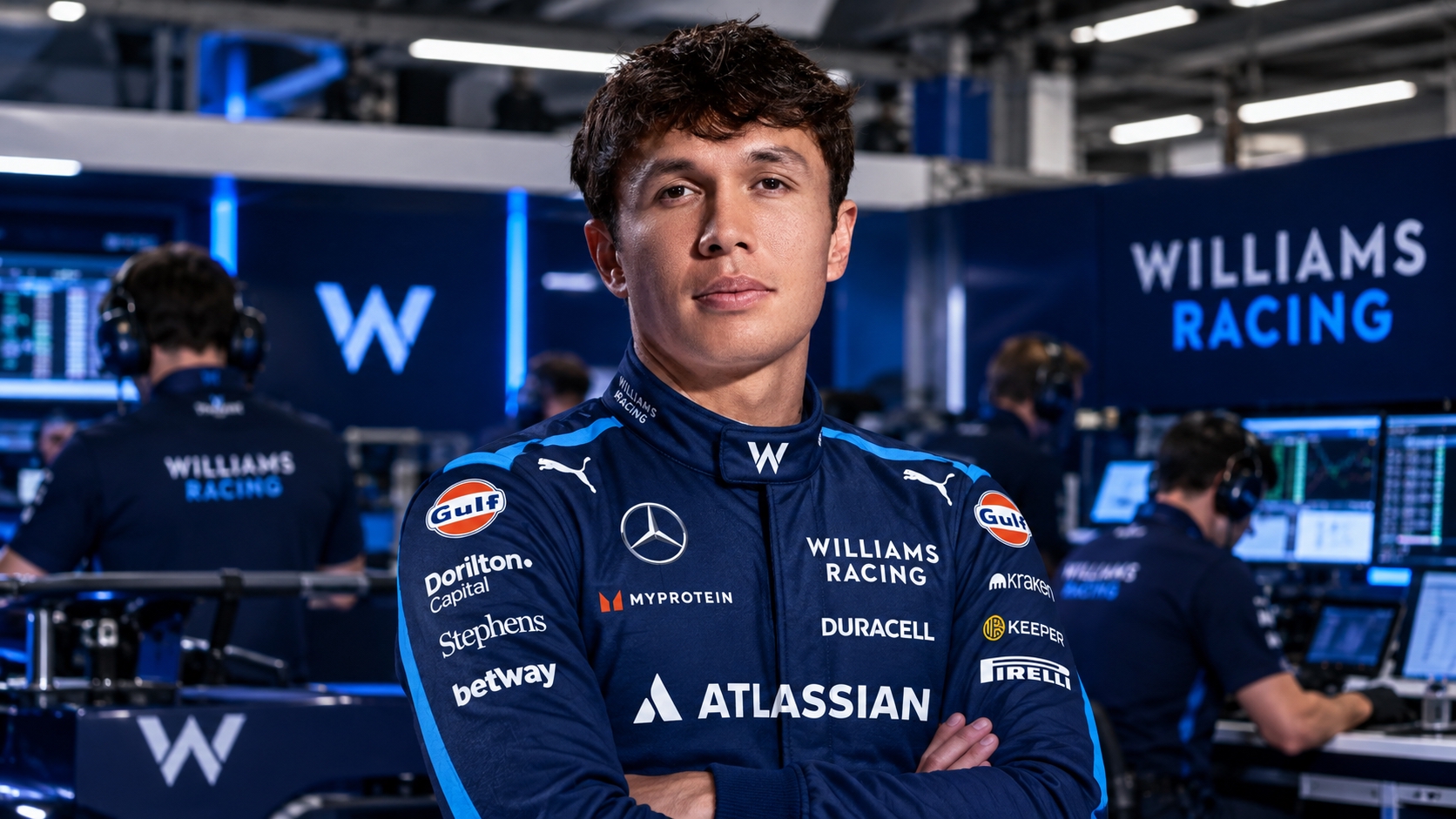
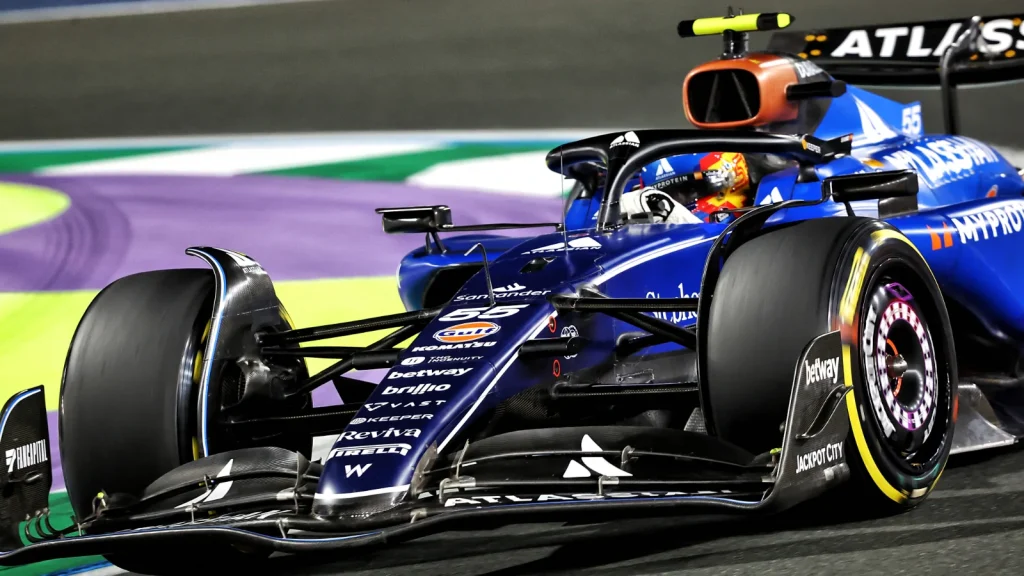
Formula 1 is a sport defined by incredible noise, massive speed, and cutthroat internal politics. Yet, sitting in the motorhome of Atlassian Williams F1 Team, Alexander Albon Ansusinha radiates a calm, thoughtful composure that sets him apart from many of his peers on the grid. Flying the flag of Thailand with pride, the 30-year-old racing driver has weathered one of the most tumultuous, dramatic, and inspiring journeys in modern motorsport history. From dominating international karting as a prodigy to being dropped by Red Bull, rebuilding his entire career from scratch, surviving personal family crises, and ultimately becoming the revered leader of Williams Racing, Albon’s story is a masterclass in psychological fortitude.
We sat down with Alex for an extensive, raw, and unfiltered conversation covering his roots in Thailand and the UK, the intense sacrifices of his family, his pivotal signing with Williams, his evolution as a driver, and how he prepares mentally and physically for the grueling battles on track.
Grassroots, karting battles, and the Thai identity
INTERVIEWER: Alex, looking back to where it all began in karting, you started at just eight years old in Honda Cadets. Did you realize back then how extraordinary your journey into motorsport would become?
ALEX ALBON: Honestly, not at all! When you’re eight years old, you aren’t thinking about media sessions, telemetry data, or contract negotiations in Formula 1. You’re just completely obsessed with driving as fast as you possibly can. My dad, Nigel, was a racer himself in British Touring Cars and Porsche Carrera Cup, so motorsport was in my blood. I spent my weekends at local tracks like Rye House, watching engines being rebuilt and feeling the smell of 2-stroke fuel. Winning the Comer Cadet class and Kartmasters gave me a taste of competition, but it was just pure passion back then. By the time I stepped onto the international stage around 2008 in KF3, winning the CIK-FIA World Cup and European Championships, I realized I was racing against guys like Max Verstappen and Charles Leclerc. We were just kids in racing suits, pushing each other to the absolute limit every weekend without knowing we’d all end up on the F1 grid together.
“We were just kids in racing suits, pushing each other to the limit every weekend without knowing we’d end up on the F1 grid together.” — Alex Albon |
INTERVIEWER: You were born in London, but you race under the Thai flag. How significant is your Thai heritage to you personally, and what does it mean to represent Thailand on the global stage of Formula 1?
ALEX ALBON: It means everything to me. My mother, Kankamol, is Thai, and growing up in a multicultural household gave me a deep connection to Thailand, its culture, its warmth, and its people. When I entered single-seaters, I made a conscious choice to race under the Thai flag. Motorsport in Thailand has a passionate, rapidly growing fanbase, but historically, there hasn’t been a huge representation in elite global racing since Prince Bira in the 1950s. Every time I strap on my helmet and see the Thai flag next to my name on the timing screens, I feel an immense sense of responsibility and pride. The support I get from fans in Bangkok and across Thailand is incredible—they lift me up through every high and low. Showing young kids in Southeast Asia that a kid with Thai roots can compete and succeed at the top level of world sport is something I hold very close to my heart.
The darkest moments and the power of family
INTERVIEWER: Your path to the top wasn’t smooth. In 2012, as you made your debut in single-seaters in Formula Renault 2.0, you were dropped by the Red Bull Junior Team. At the very same time, your family faced immense personal hardship. How did you survive that period?
ALEX ALBON: That period around 2012 was unquestionably the darkest time of my life, both personally and professionally. I was only 16 years old. Getting dropped by Red Bull after a difficult year felt like my racing dream had died before it even truly started. In junior racing, if you don’t have major financial backing or a driver academy behind you, you’re essentially finished. But what made it infinitely harder was what was happening at home. My mother went through severe legal troubles and served a prison sentence. Suddenly, as the eldest son, I had to grow up overnight. I had my younger brother Luca and three sisters looking up to me, and our world was upside down.
Driving a race car became secondary; survival as a family came first. But strangely, that adversity forged an inner steel inside me. When you’ve faced real-life hardship, losing a lap time in qualifying or dealing with a broken wing doesn’t scare you anymore. My family leaned on each other completely. We sacrificed everything, found private backing, and I fought my way into European Formula 3 and GP3. Rebuilding myself after being dropped taught me that failure isn’t lethal unless you let it defeat your mind.
“When you’ve faced real-life hardship, losing a lap time in qualifying or dealing with a broken wing doesn’t scare you anymore.” — Alex Albon |
INTERVIEWER: How important was your family’s belief in you during those years when your motorsport career hung by a thread?
ALEX ALBON: I wouldn’t be here without them—period. My family is my absolute anchor. In motorsport, the paddock can be a cold place where people only value you based on your last race result. But your family loves you regardless of whether you win or crash out on lap one. My mum, my dad, my brother, and my sisters have been my ultimate support network. My mum, especially, showed unbelievable resilience in rebuilding her own life and standing by my racing. They kept me grounded, reminded me of who Alex Albon is outside of a helmet, and gave me the mental strength to keep pushing when every door seemed closed. When I finally reached Formula 1, every podium and every point felt like a collective victory for all of us.
The Red Bull rollercoaster and signing for Williams
INTERVIEWER: After an incredible battle in GP3 and Formula 2 against Charles Leclerc, George Russell, and Lando Norris, you entered F1 with Toro Rosso in 2019, got promoted to Red Bull mid-season, scored podiums, but were then replaced for 2021. Take us through that period and how your move to Williams came about.
ALEX ALBON: My arrival in F1 was a whirlwind. In late 2018, I had actually signed to race in Formula E because F1 seats seemed completely locked out. Then Helmut Marko called, and suddenly I was in a Toro Rosso car for 2019! Twelve races later, I was sitting in a Red Bull alongside Max. It was an intense, high-pressure environment. I had some great moments—scoring points consistently and getting my maiden podiums at Mugello and Bahrain in 2020—but I was also fighting a very tricky car and huge expectations with very little experience. Being sidelined as reserve driver for 2021 was tough, but I took it as an opportunity. I spent hundreds of hours in the simulator, working tirelessly to help Max and the team win the 2021 Drivers’ World Championship while keeping my edge sharpness in DTM.
Then came the turning point: late 2021, Jost Capito and the leadership at Williams Racing reached out. They offered me a seat for 2022. Signing for Williams felt like a breath of fresh air. It wasn’t just about returning to the grid; it was about joining an iconic team with a legendary championship heritage that believed in my talent and wanted me to lead their rebuild. From the moment I stepped into Grove, I knew I had found a home where I could build something truly special.
INTERVIEWER: Since joining Williams in 2022, you’ve become the undisputed team leader, producing heroic drives like your 57-lap hard-tyre stint in Melbourne and consistent points finishes. How has your relationship with the team evolved?
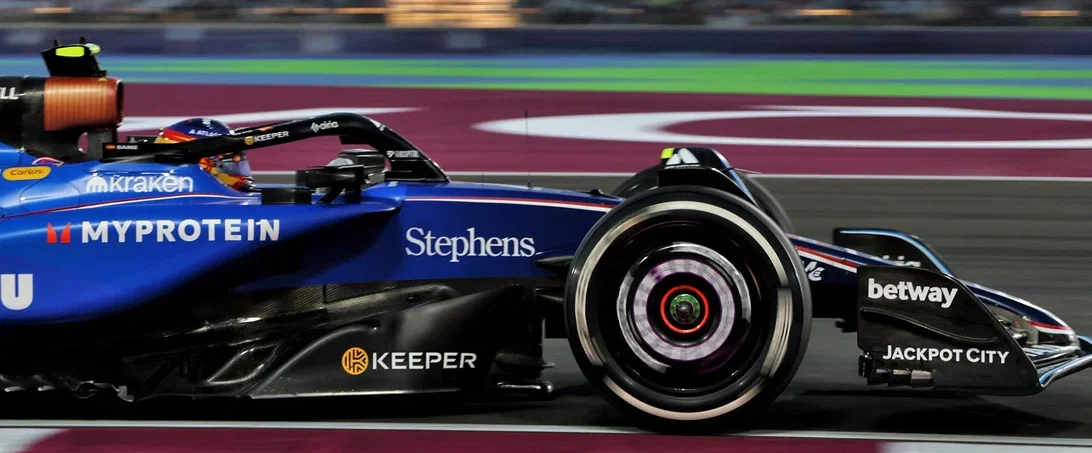
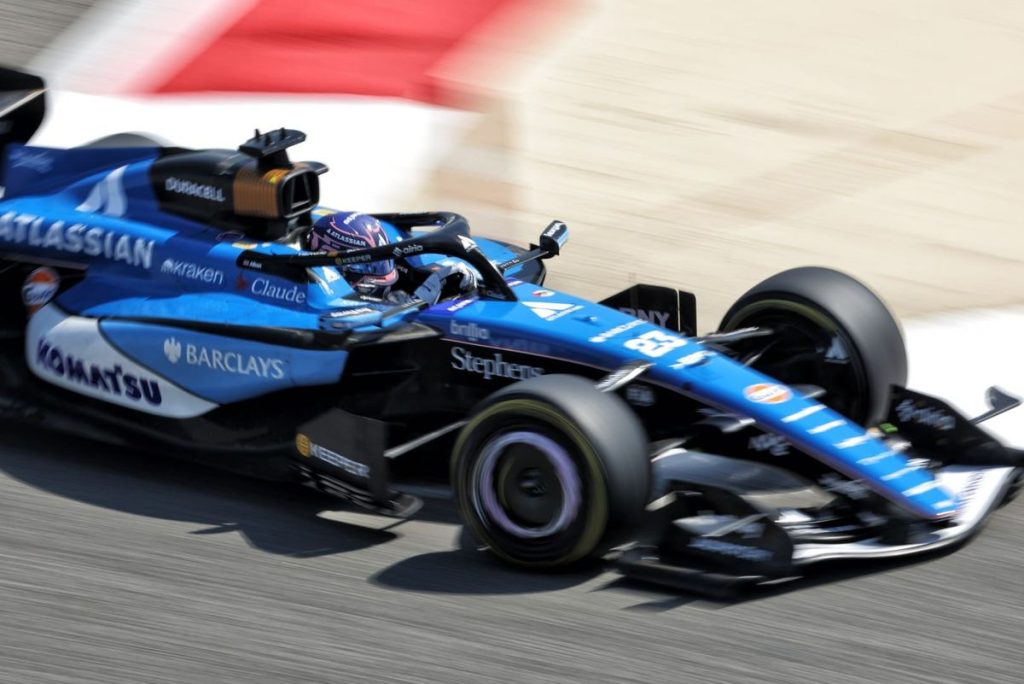
ALEX ALBON: It has been a transformative experience for me as a driver and as a person. At Williams, I wasn’t just asked to drive fast; I was asked to help guide the development of the car, motivate the team, and provide clear technical direction. Working closely with James Vowles and our engineering team, we’ve transformed the culture at Grove. We’ve had races where we had to extract 110% out of the car to grab a single point, like that Melbourne stint in 2022 on a single set of tyres, or battling into Q3 and scoring major points in Montreal, Monza, and Baku. Committing my long-term future to Williams with a multi-year extension was a no-brainer. Believing in the project and seeing the team’s upward trajectory—reaching fifth in the Constructors’ Championship—has given me immense job satisfaction. We are building a foundation to fight at the front.
Future aspirations and preparing for upcoming races
INTERVIEWER: Looking into the future, what are your personal and professional goals in Formula 1 over the coming seasons?
ALEX ALBON: My ultimate goal has never changed: I want to win races and fight for Formula 1 World Championships. I didn’t return to F1 just to make up the numbers or be satisfied with mid-pack results. I know what I am capable of when given the right package. With the massive regulations coming into force, Formula 1 is entering a completely new era. Williams has invested heavily in infrastructure, top engineering talent, and power unit partnerships. My vision is to take Williams back to where it historically belongs—fighting for podiums and race victories on merit. On a personal level, I want to keep refining my craft, mastering every nuance of tire management, qualifying execution, and race strategy, so that when the championship-winning car is beneath me, I am 100% ready to deliver.
“My ultimate goal has never changed: I want to win races and fight for Formula 1 World Championships.” — Alex Albon |
INTERVIEWER: Finally, Alex, as you prepare for the upcoming Grand Prix weekend, how do you structure your mental, physical, and tactical preparation?
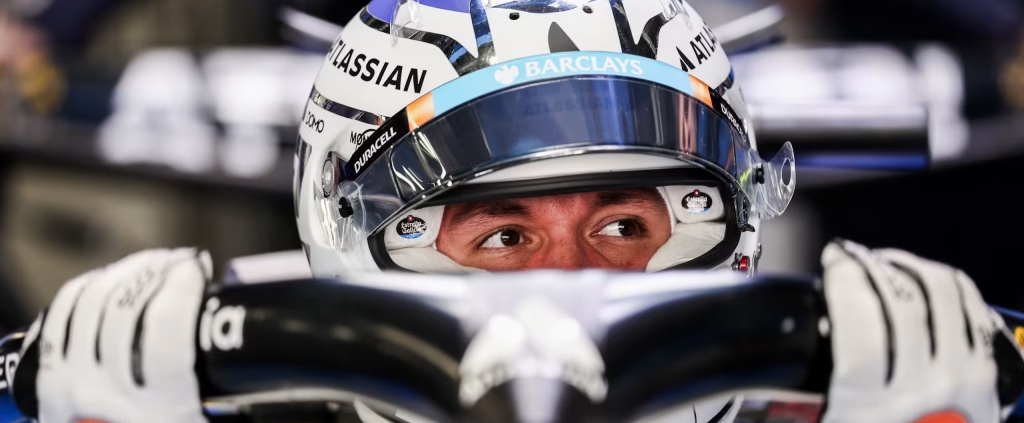
ALEX ALBON: Preparation in modern Formula 1 is incredibly intense. Physically, F1 cars place violent G-forces on your body, especially your neck, core, and shoulders. During a race, your heart rate averages 160 to 170 bpm for nearly two hours in blistering heat. My training involves heavy neck-rig work, high-intensity cardio, and heat acclimation. Mentally, I work heavily on visualization. Before I even arrive at a circuit, I spend hours in the simulator at Grove, testing setup directions and learning every braking marker, curb height, and wind sensitivity.
On race weekend, it’s all about maintaining a sharp, calm state of focus. I debrief thoroughly with my engineers, analyze telemetry against my teammate, and study strategy simulations. But once I put the helmet on and line up on the grid, all the noise disappears. It’s just me, the car, and the apexes ahead. We analyze what worked in the previous race, fix our weaknesses, and approach every upcoming race with the exact same hunger: to maximize every single corner and bring home every possible point for the team.
Conclusion: The journey continues
As Alexander Albon steps out of the motorhome to meet his engineering team, there is an unmistakable sense of purpose in his stride. He is no longer just the promising rookie or the driver looking for a second chance. He is a hardened, elite Formula 1 veteran—a driver whose character was forged in the fire of adversity and refined through quiet determination. With Thailand behind him and Williams Racing united beside him, Alex Albon’s journey in Formula 1 is far from over. In fact, his finest chapters are still being written.